Clitheroe Pendle Primary School
Autumn 2
Welcome back to the Autumn 2 term! We’re excited to continue our learning journey with our rich and engaging curriculum. In English, children will be exploring fables, persuasive letters and poetry, helping them develop both creative and critical writing skills. In Year 4 Music, pupils will be using their recorder to help them build on their understanding of rhythm and melody. Our History lessons will continue to focus on children's lives in the past, while in Geography we’ll be diving deeper into the fascinating world of volcanoes. In Art, children will be experimenting with collage and printing techniques to express their creativity. We look forward to a term full of curiosity, creativity and growth!
Week 7
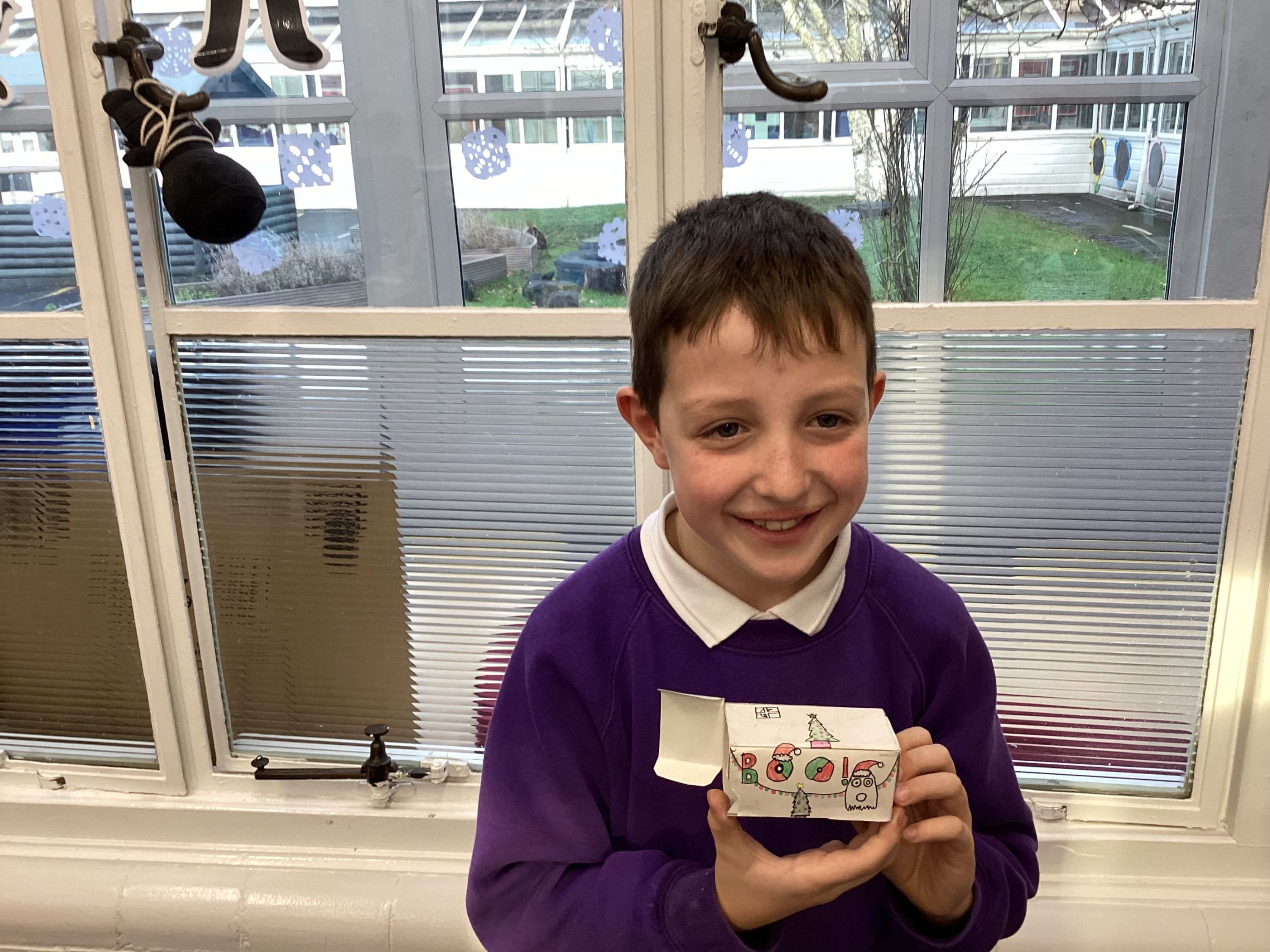
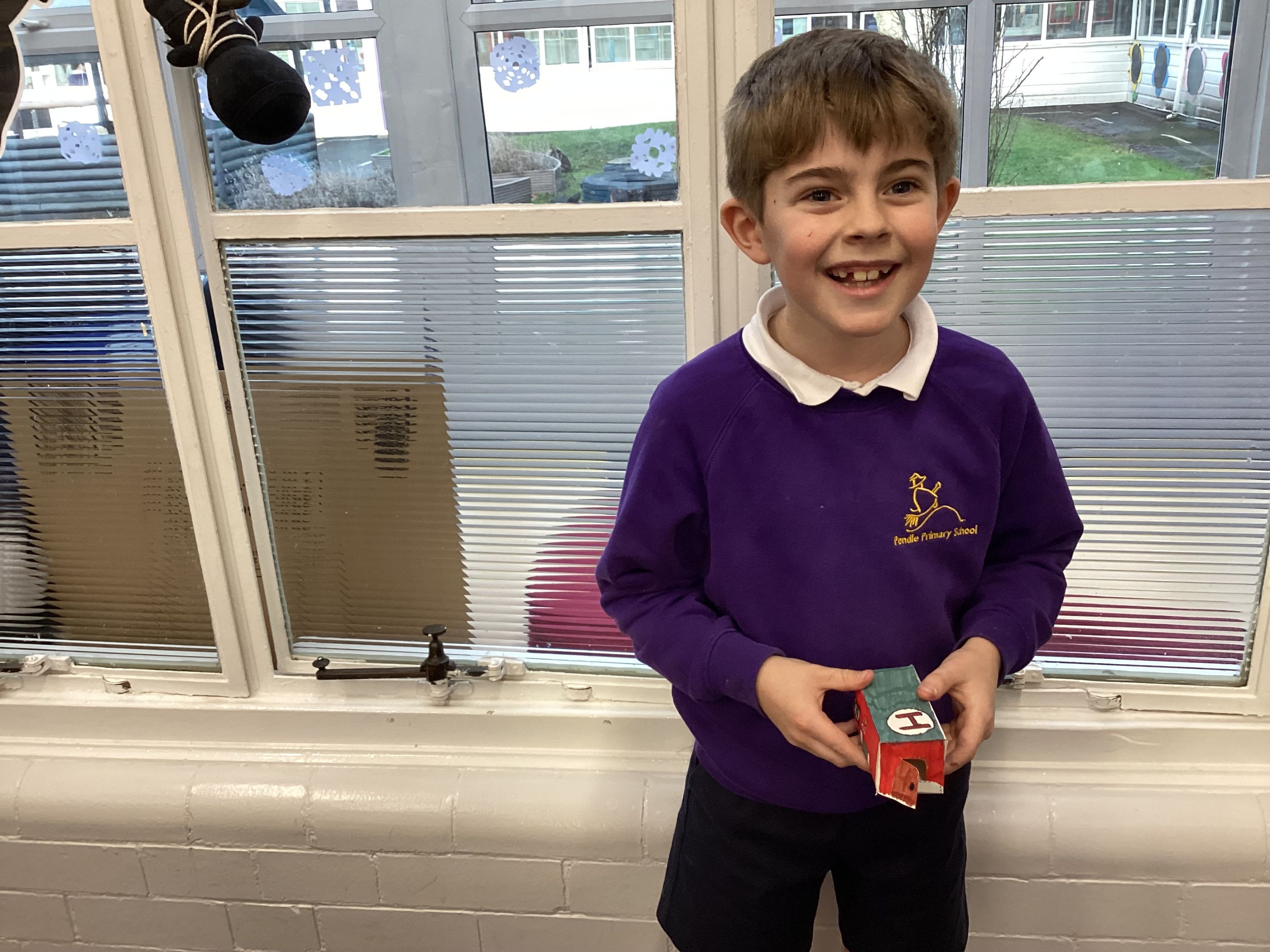
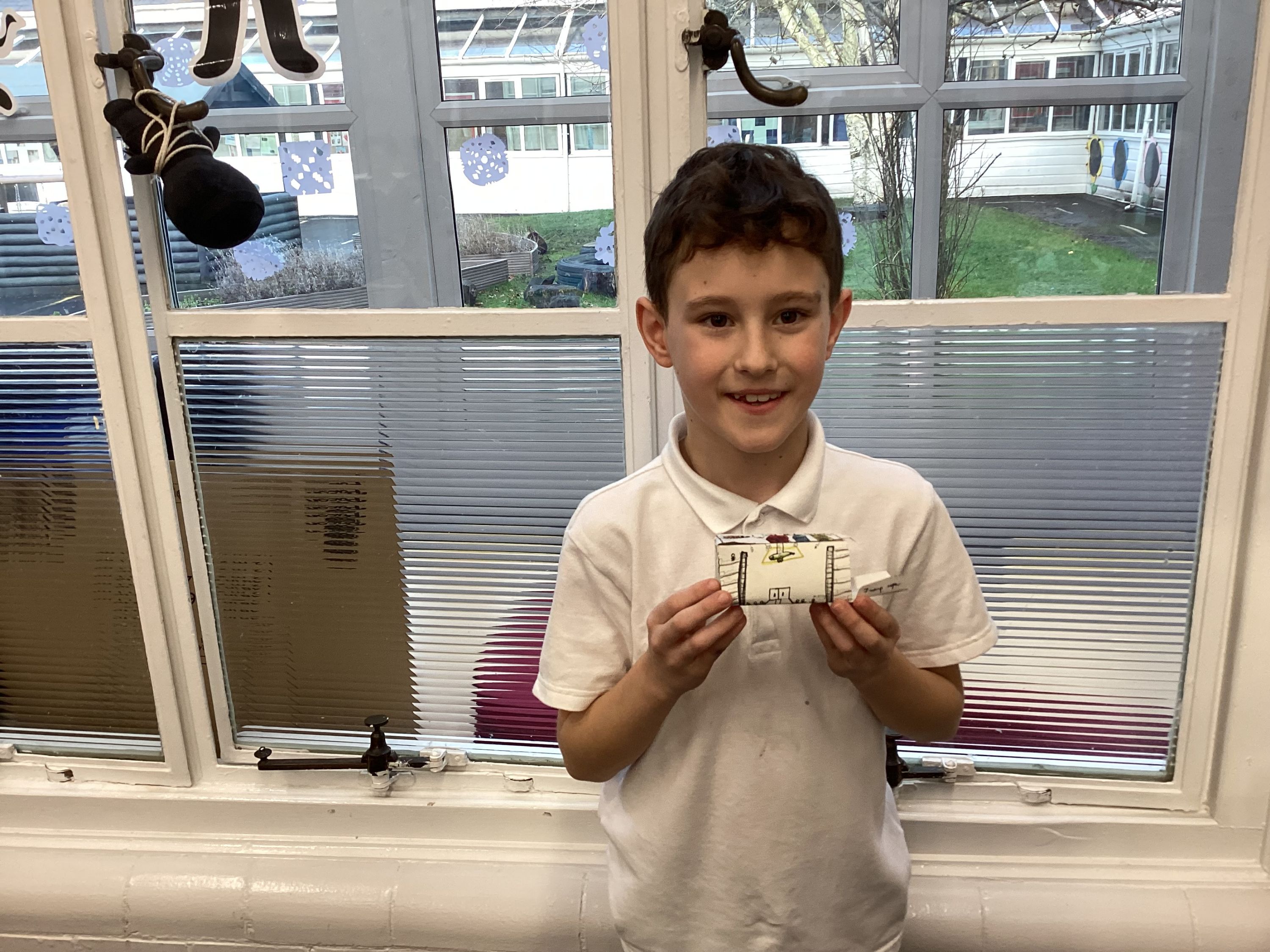
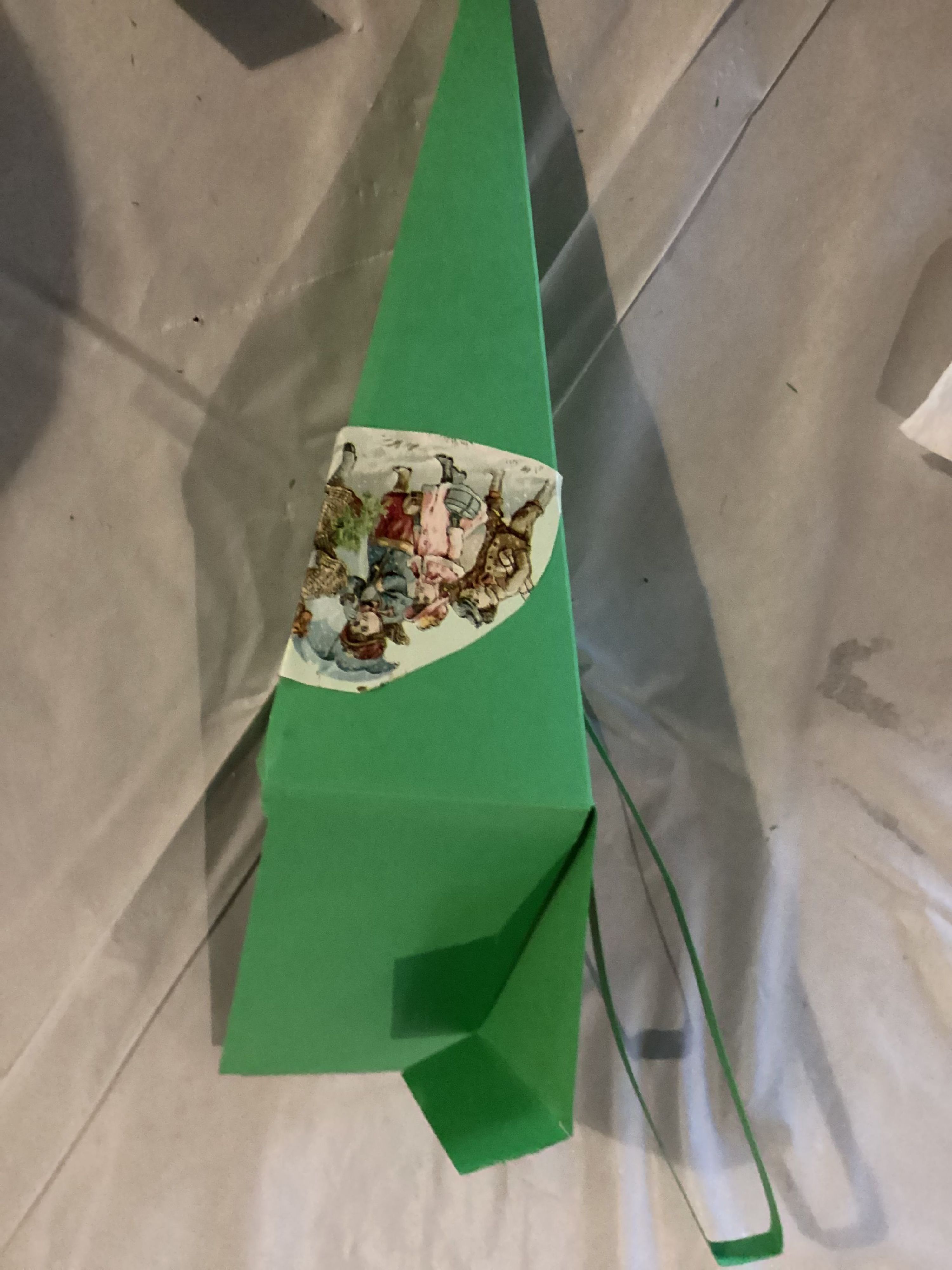
In DT, we finally created our box designs that included lamination as a process to strengthen the structure. Lamination involves adding an extra layer to the material, which made the box more rigid and durable. This technique helped the box keep its shape, protect it from damage, and improved its overall quality. By using lamination, we explored how materials can be combined to make products stronger and more suitable for their purpose. This is an important part of learning about materials and construction in DT.



Week 6
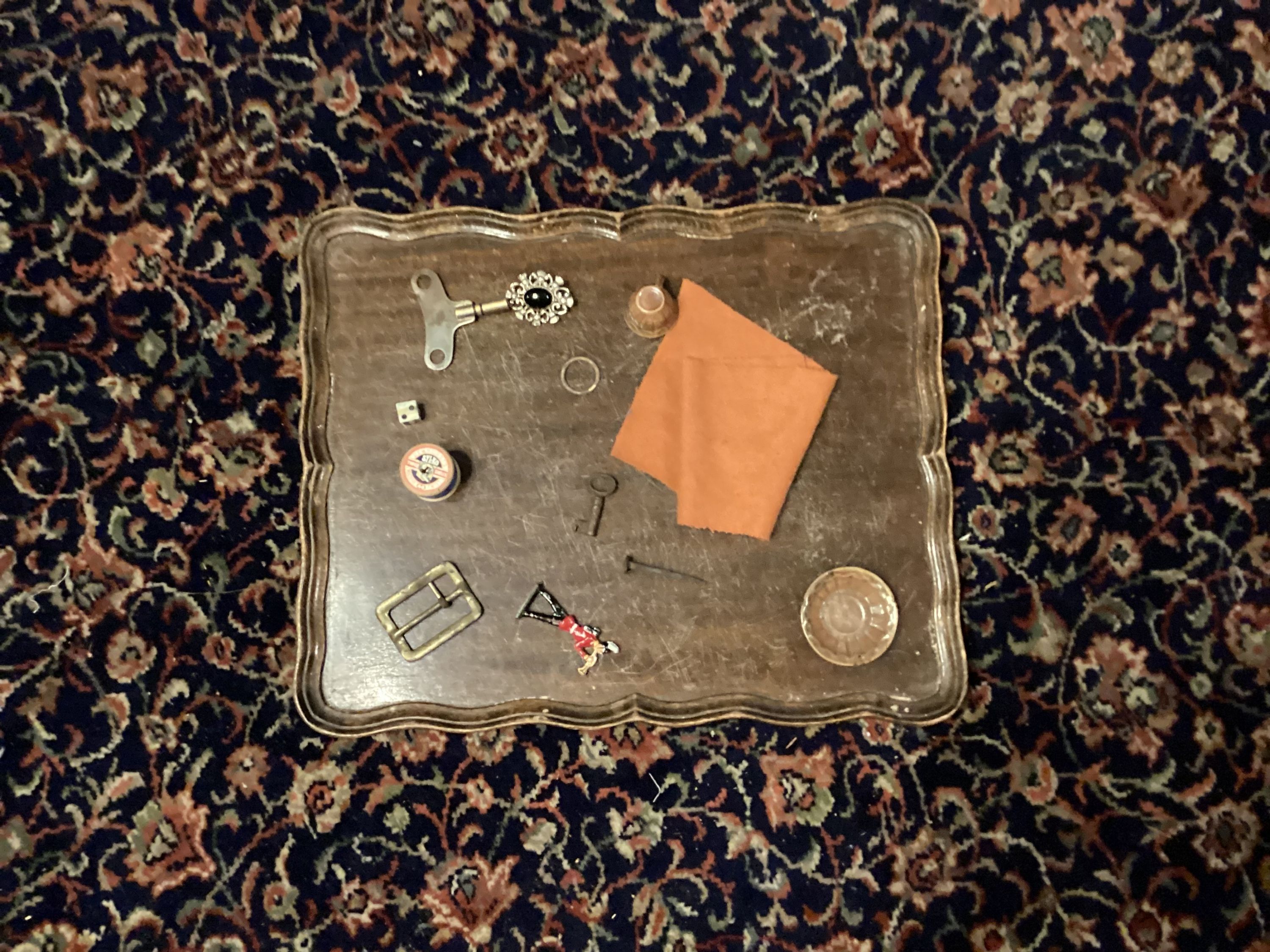
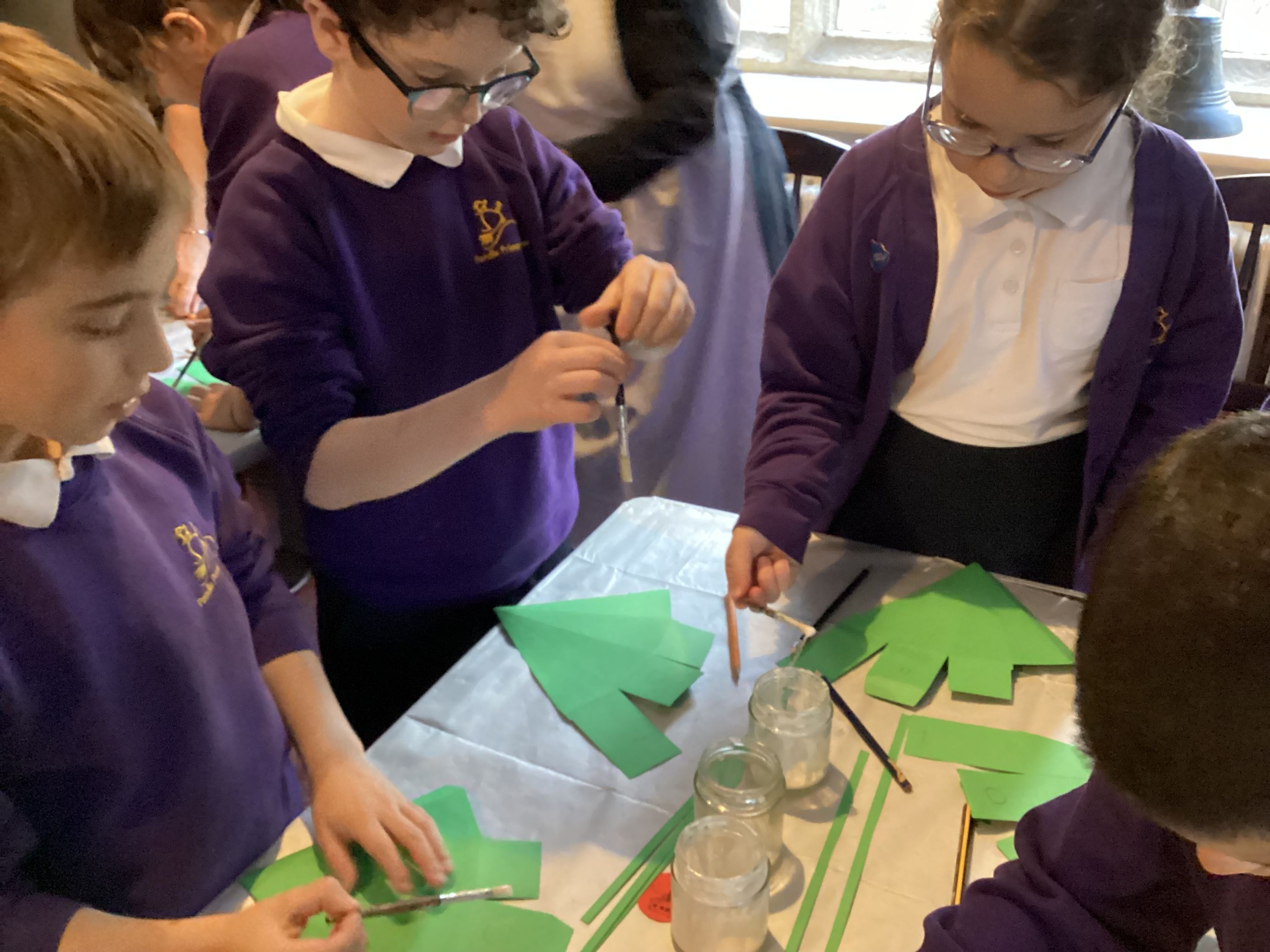
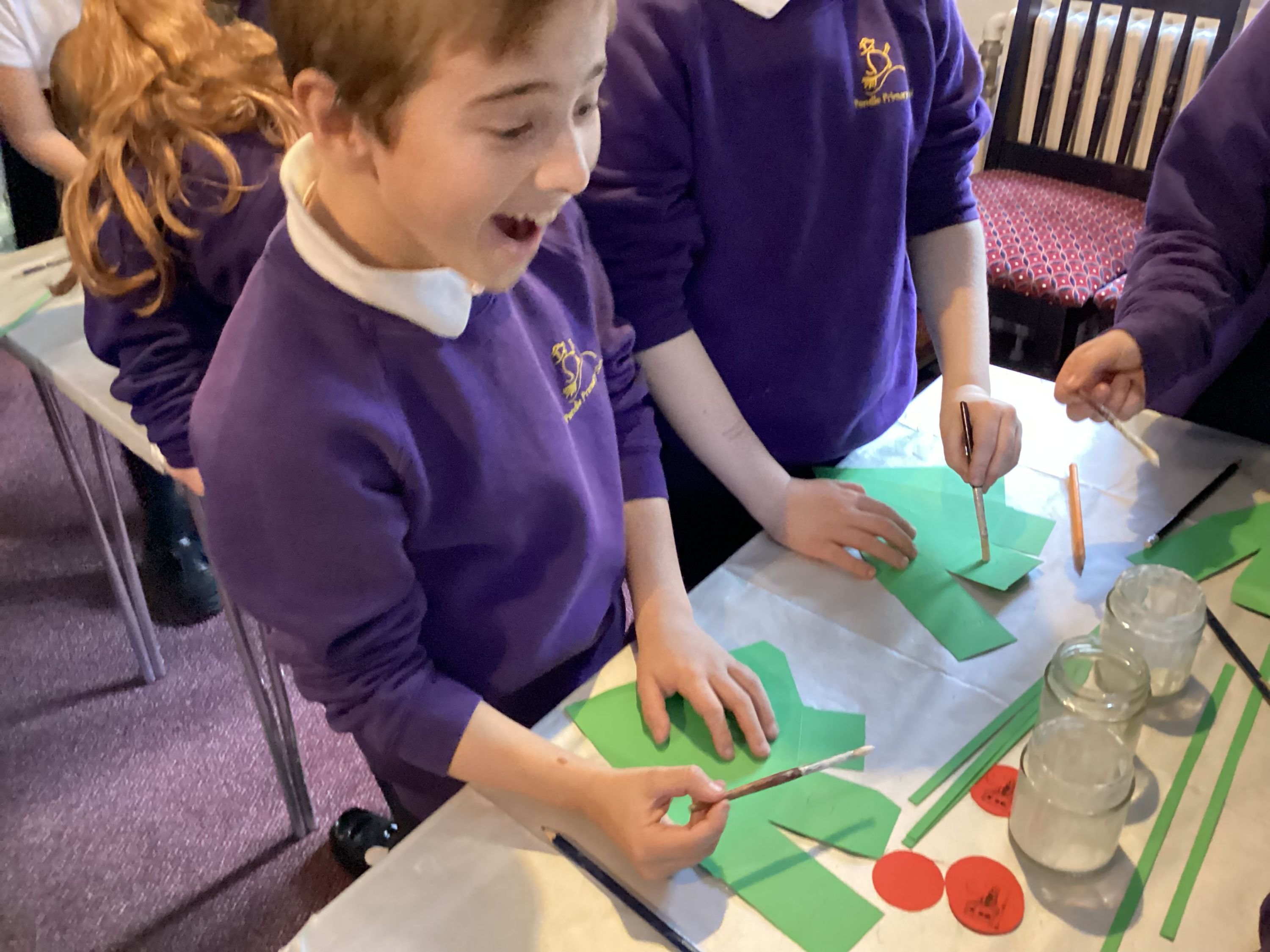
Our class had a fantastic time on our school trip to Turton Tower for a Victorian Christmas themed morning! The children enjoyed making traditional Victorian cornucopias and playing festive games from the era. A highlight of the day was meeting Father Christmas, who showed us what children would have found in their stockings during Victorian times—such as fruit, coal, salt and maybe a small toy. It was a wonderful way to step back in time and experience the magic of a Victorian Christmas!

Week 5
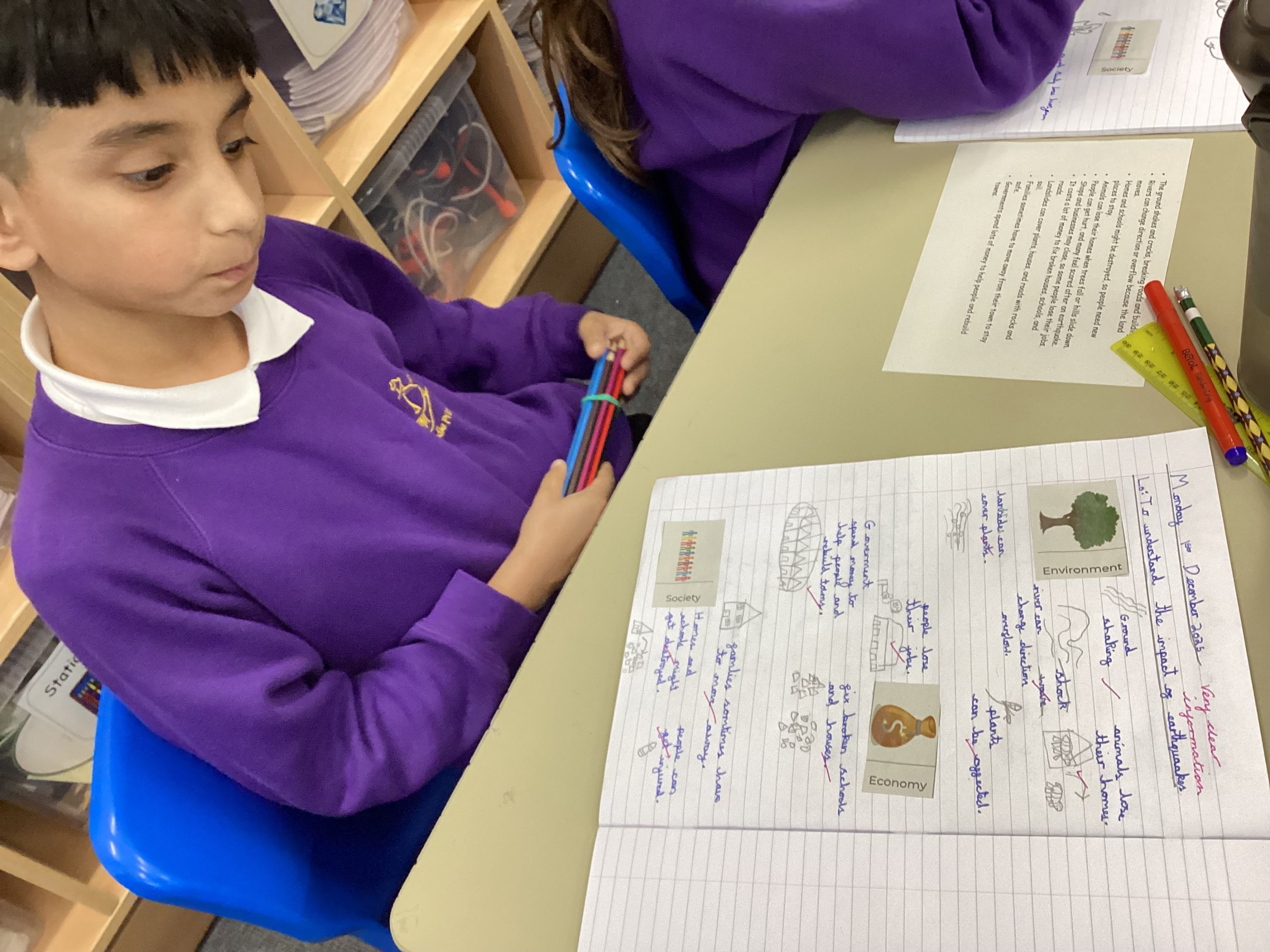
This week in Geography, we have been learning about the effects that natural disasters, such as volcanoes and earthquakes, can have on the economy, wildlife, and the environment. These events often cause significant damage to homes, businesses, and infrastructure, which can lead to economic challenges for communities and countries.
Week 4
We have officially started our termly assessments and the children have truly made the class proud with their outstanding focus and effort. It’s wonderful to see such commitment and resilience—well done to everyone!
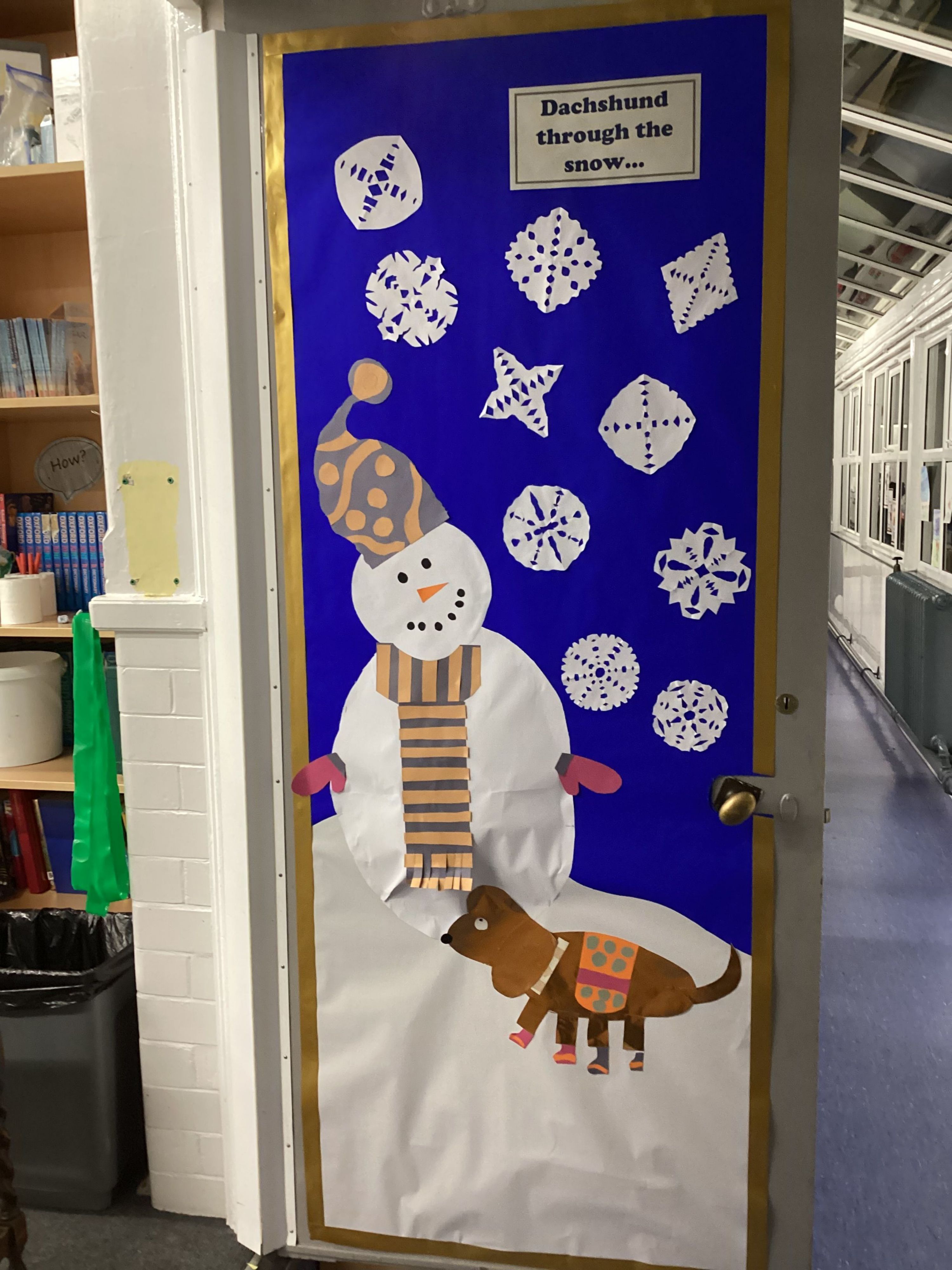
The children worked together to create a fantastic door design for the school competition, showcasing their creativity and teamwork.
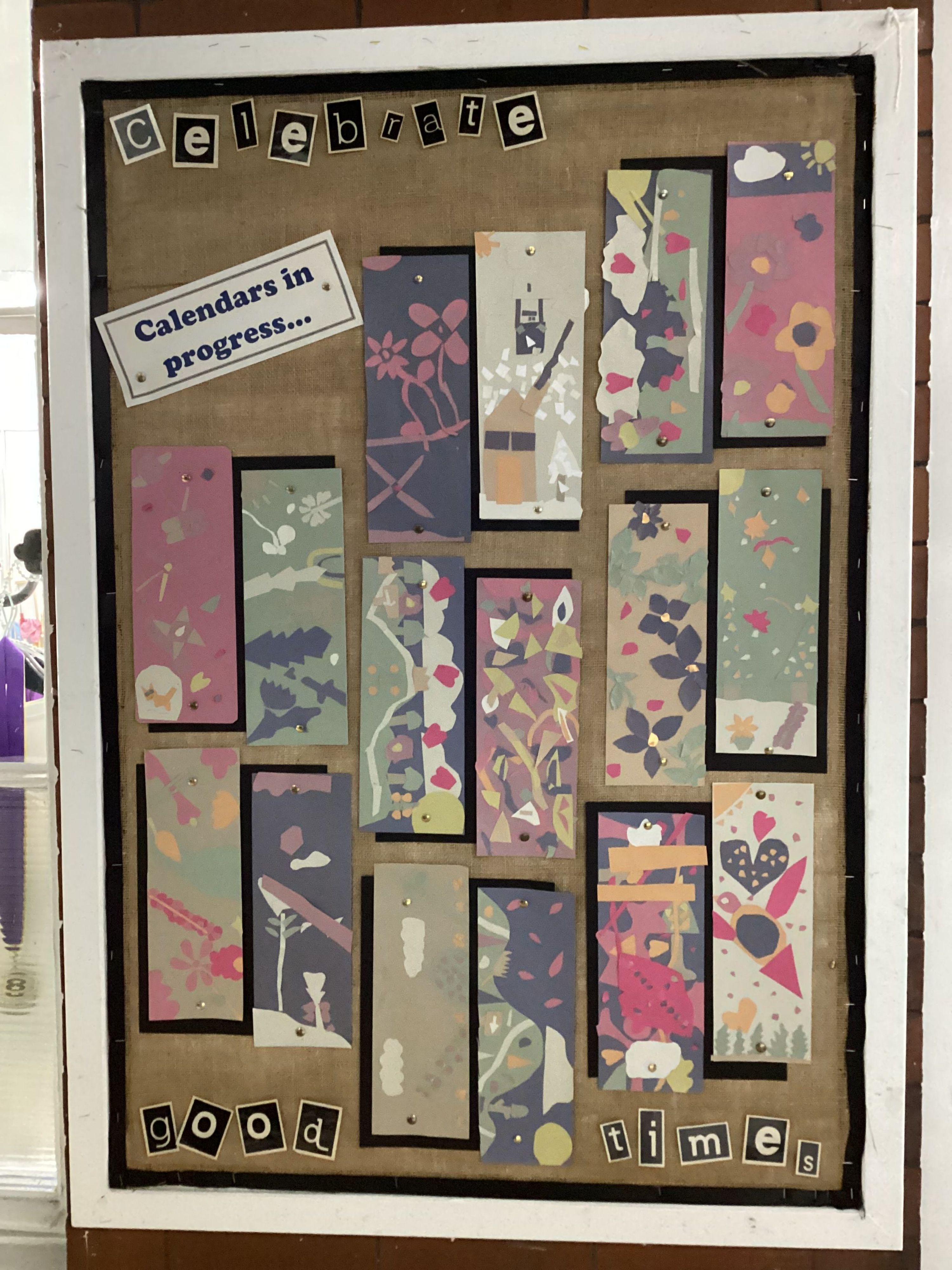
In Art, we’ve been having lots of fun using the skills we’ve learned this term to design our very own 2026 calendars! The children have been so creative, adding their own ideas and making each one unique.
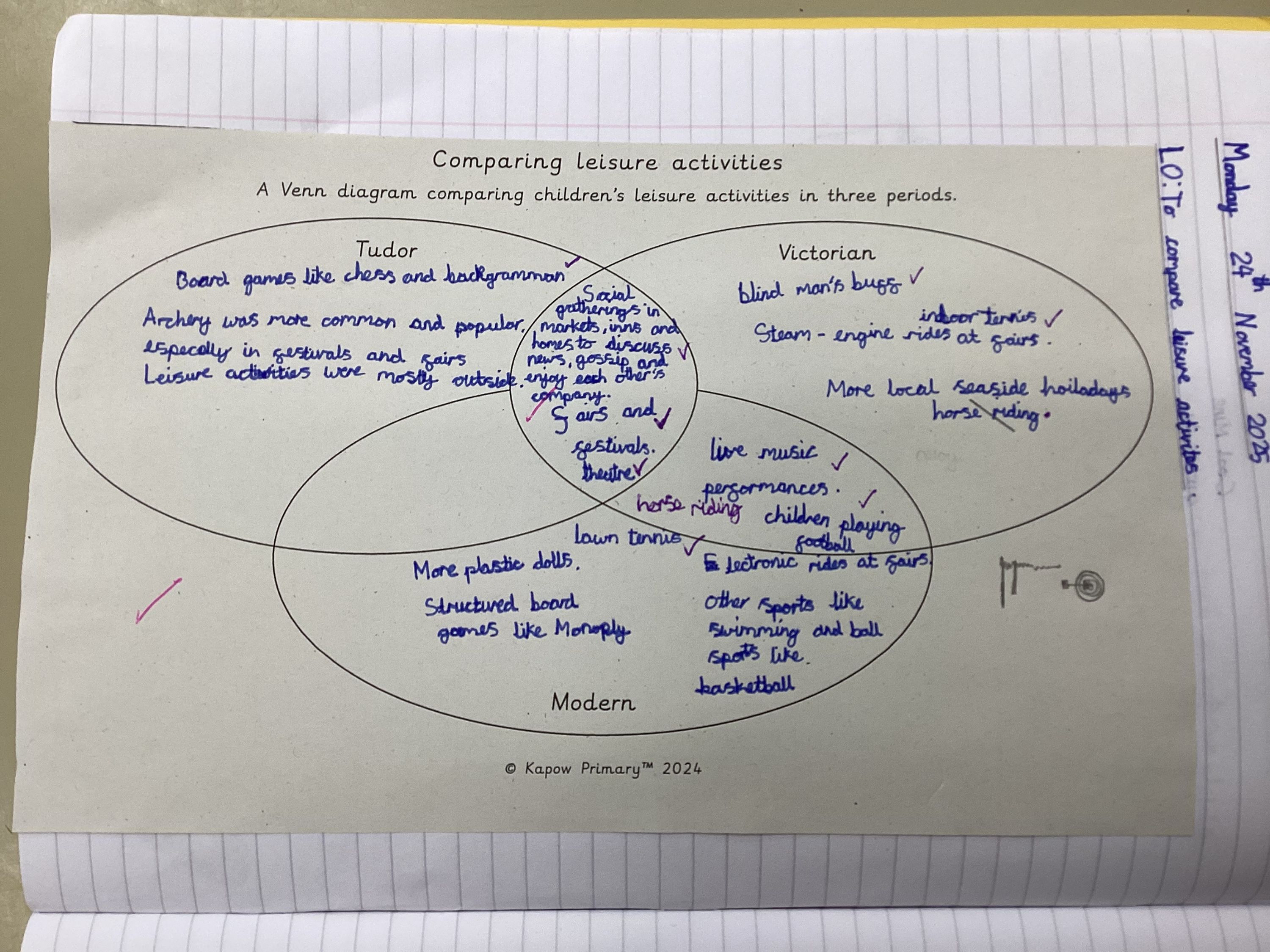
In History, we’ve been exploring how leisure time for children has changed over the centuries. The class enjoyed learning about the different games, hobbies and activities that children used to do in the past compared to what we do today. It’s been fascinating to see how technology and lifestyle have influenced play over time and the children have loved testing their skills with our hoopla game too.
Week 3
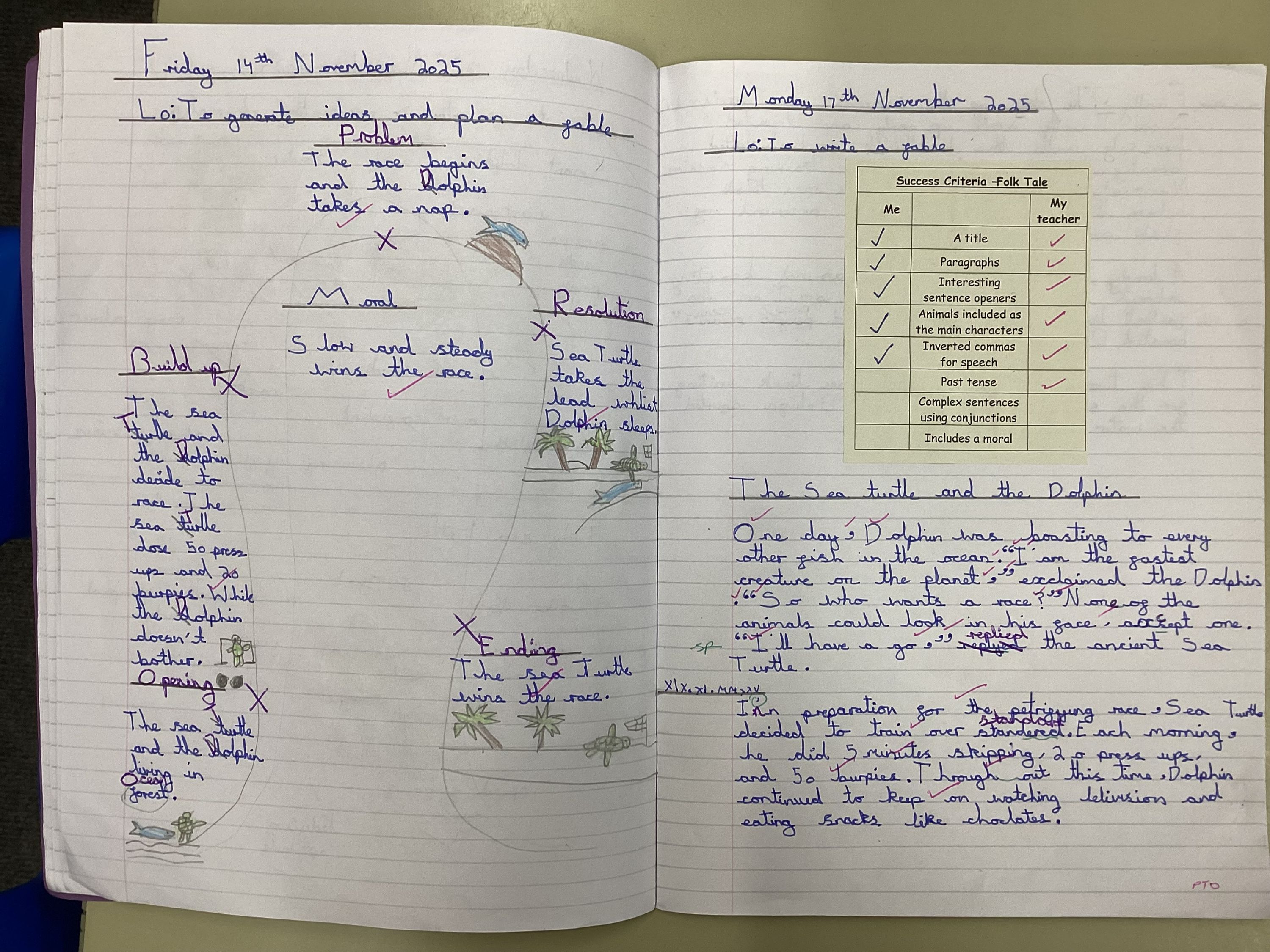
In English, we have begun writing our own fables, drawing inspiration from traditional examples that teach a moral or lesson. To prepare, we explored the key features of fables, such as animal characters with human traits, simple plots and clear messages.

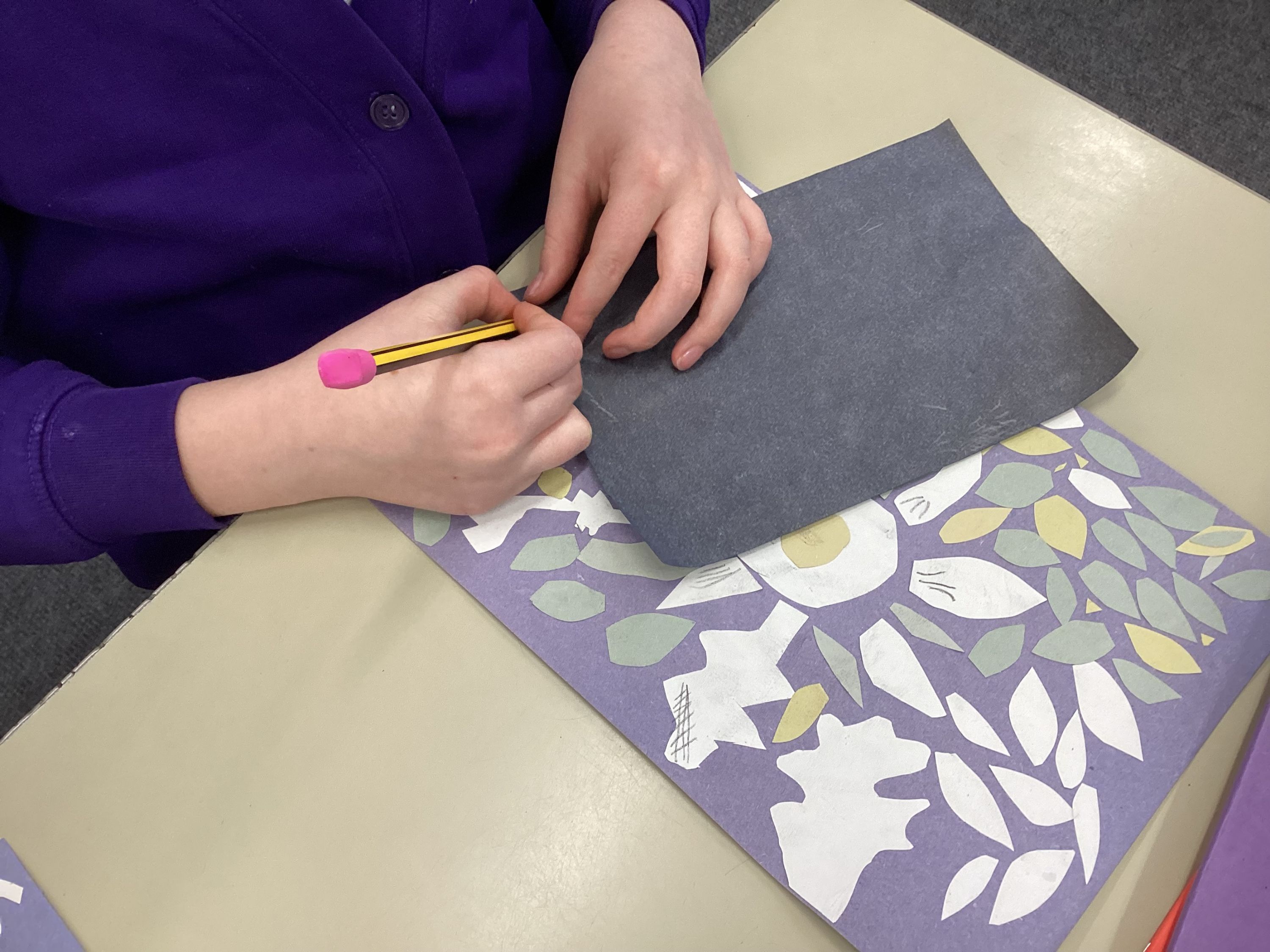
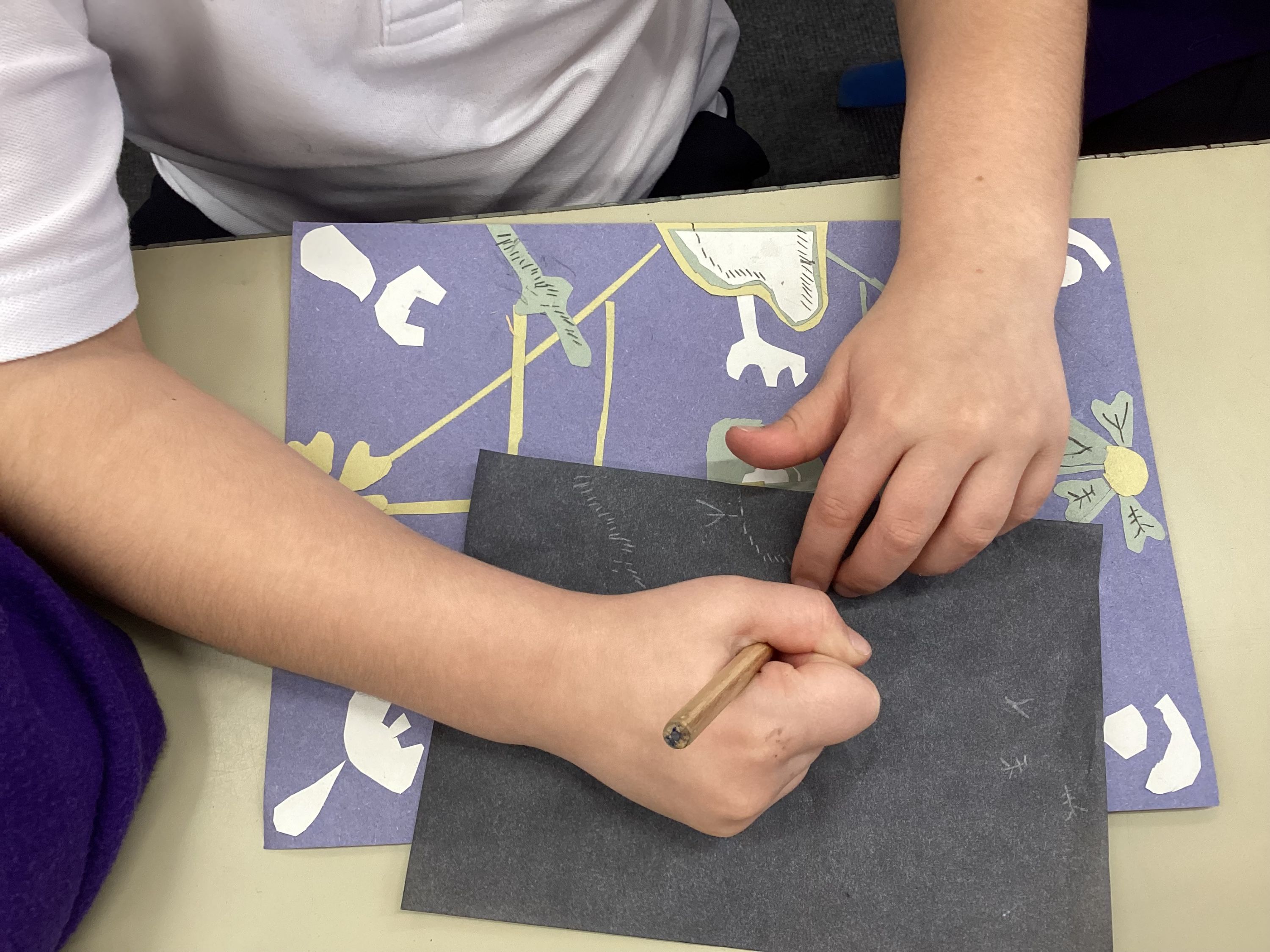
In Art, we have completed our final art pieces by combining a variety of techniques. We used a mixed media approach by incorporating collage elements alongside monoprints to develop layers of colour, pattern and form. Carbon paper was used to transfer any delicate line work, adding subtle details to the overall design.
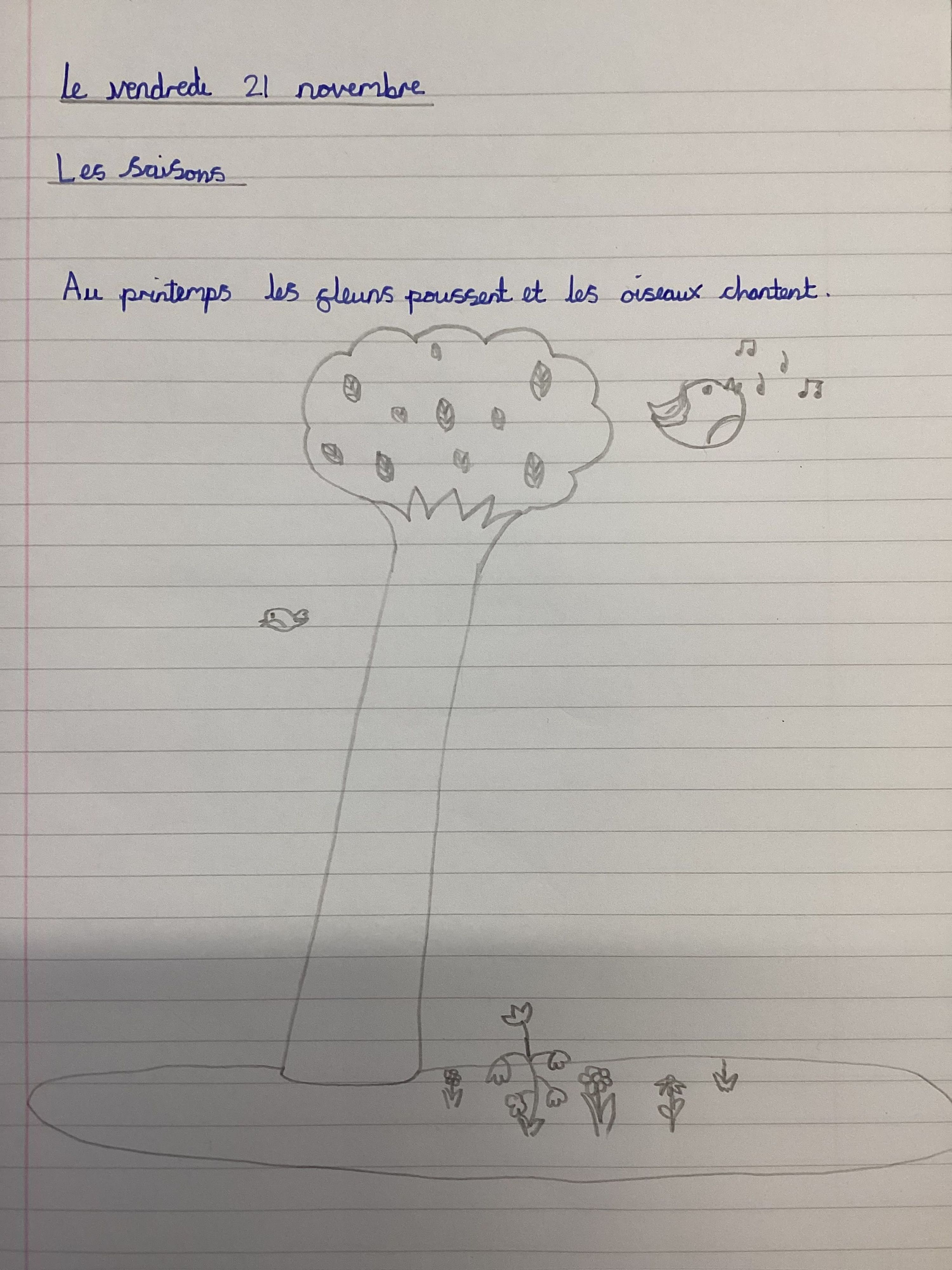
In French, we have been learning the names of the seasons and practising how to use them in sentences. Recently, we have started to expand our sentences to include more detailed information, such as weather conditions and actions for each season. This helps us build richer vocabulary and improve our ability to communicate in French with greater fluency.
Week 2
This week in Year 4 Maths, we have been learning how to subtract using a formal written method. This approach helps children understand the steps involved in solving subtraction problems accurately and builds their confidence with larger numbers.

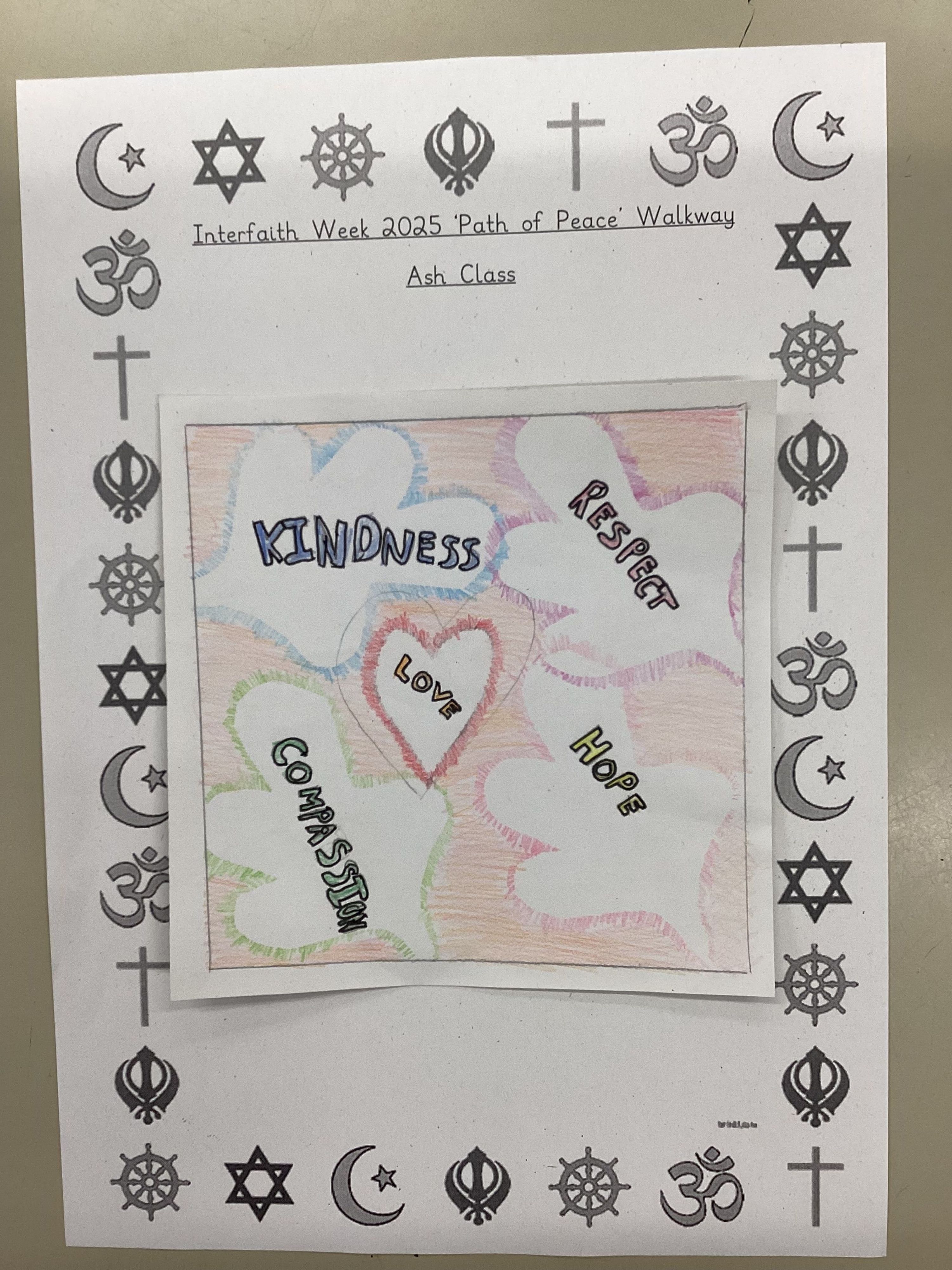
Inter Faith Week is an important part of our school calendar because it helps children learn about and appreciate the diverse beliefs and traditions that exist in our community and beyond. By exploring different faiths, pupils develop respect, understanding, and empathy, which are essential for living in a multicultural society.

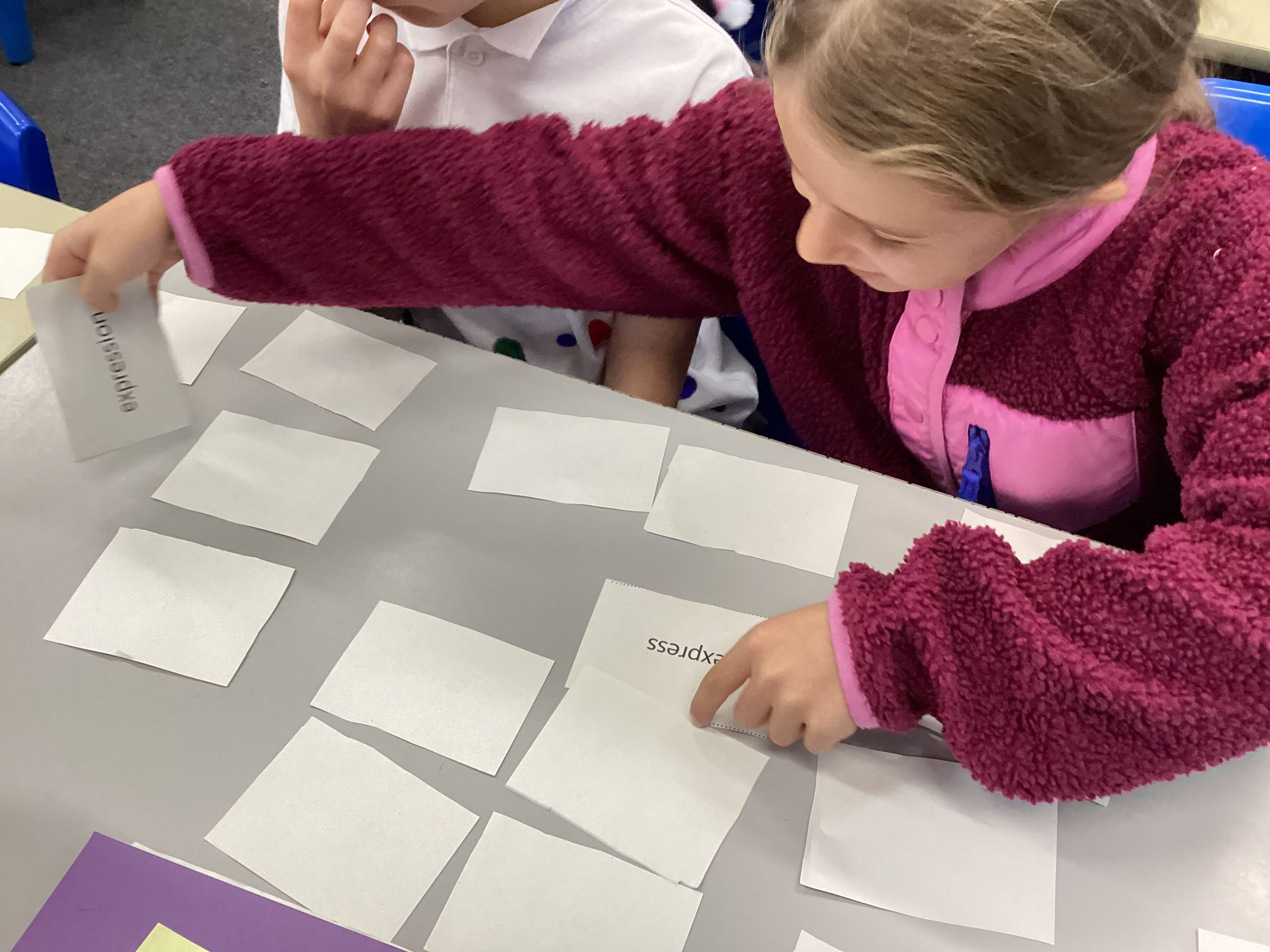
In Year 4, we focus on learning different spelling patterns and rules each week. This helps us understand how words are built and improves our spelling skills over time.
Week 1
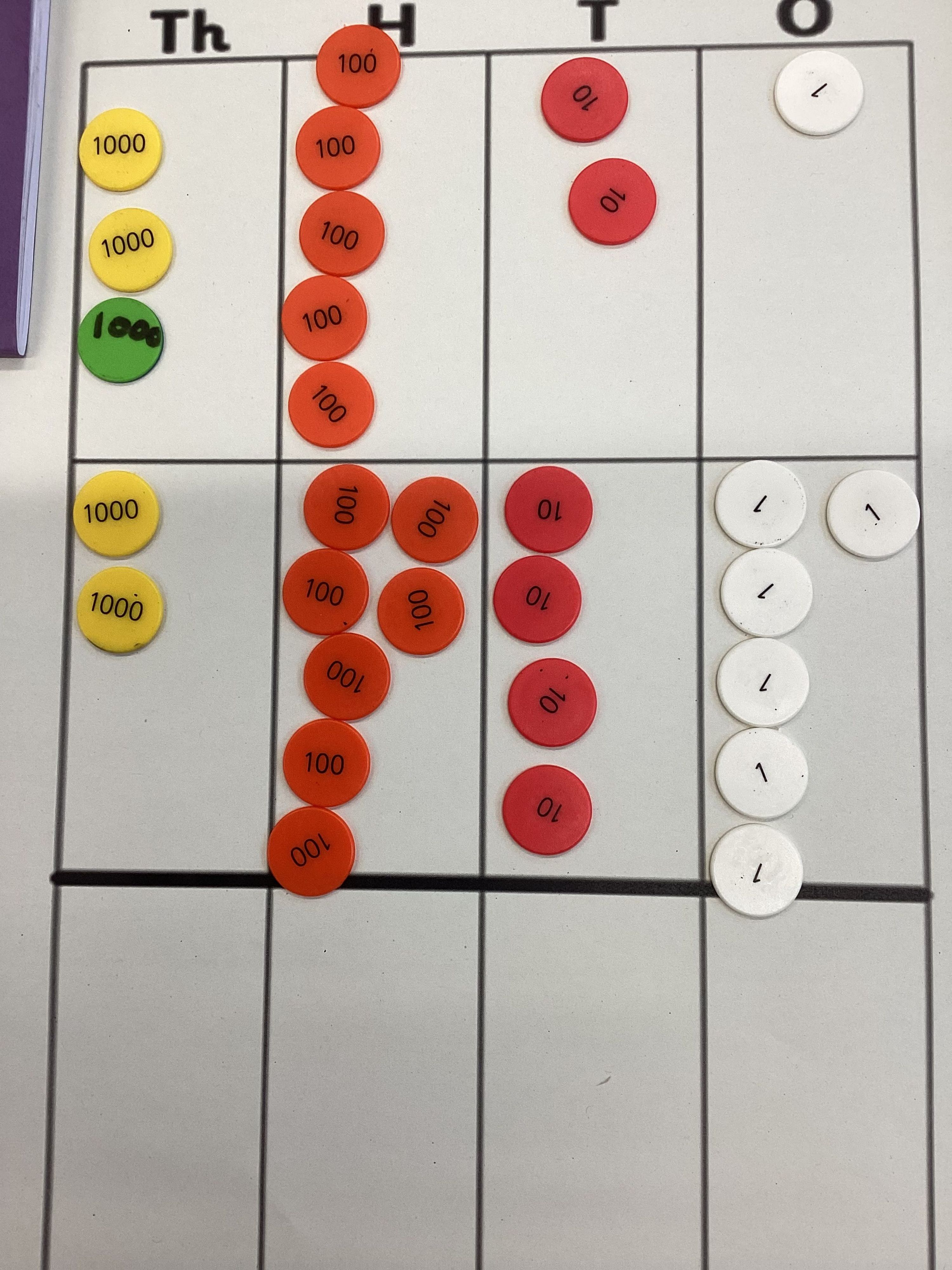
In Maths, we have been learning how to add 4-digit numbers by using place value counters to represent thousands, hundreds, tens, and ones. This helped us visualise the value of each digit and understand how regrouping works when columns go over ten. After practising with counters, we moved on to the formal written method, setting out the numbers in columns and adding each place value step by step. This approach strengthens our understanding of both the concept and the procedure for accurate addition.
In English, we have been studying Aesop’s fables, exploring the lessons and morals they teach through simple stories. After reading several fables, we focused on “The Town Mouse and the Country Mouse,” comparing the two characters in detail. We discussed their different lifestyles, personalities, and choices, and thought about what each character values most.