Clitheroe Pendle Primary School
Autumn 1 Spelling
Please practise the weekly spellings at home.
WB 12.10.2026
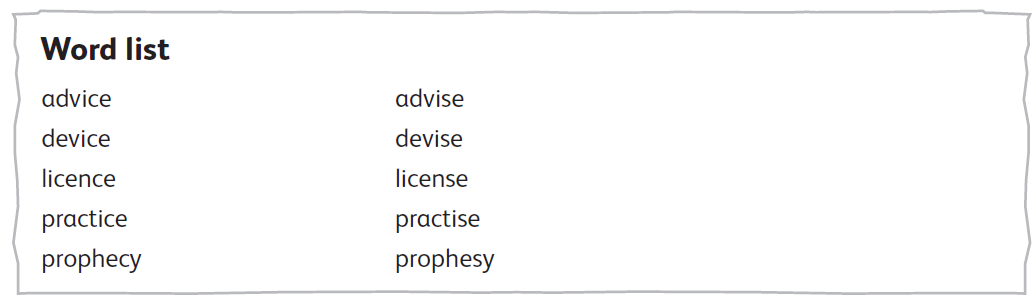
This week, we will be learning about homophones – words that sound the same but have different meanings and spellings. We will focus on five pairs of words where the spelling changes depending on whether the word is used as a noun or a verb, such as practice/practise and licence/license.
The children will explore the meaning and grammar of these words to help them choose the correct spelling in different contexts. Understanding how the words are used in a sentence will be key to spelling them accurately. 📚✏️
WB: 05.10.2026
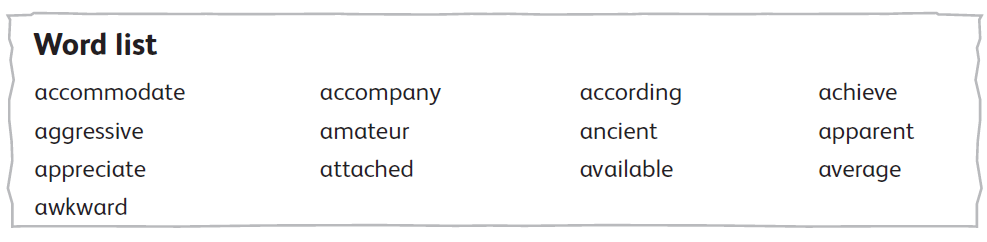
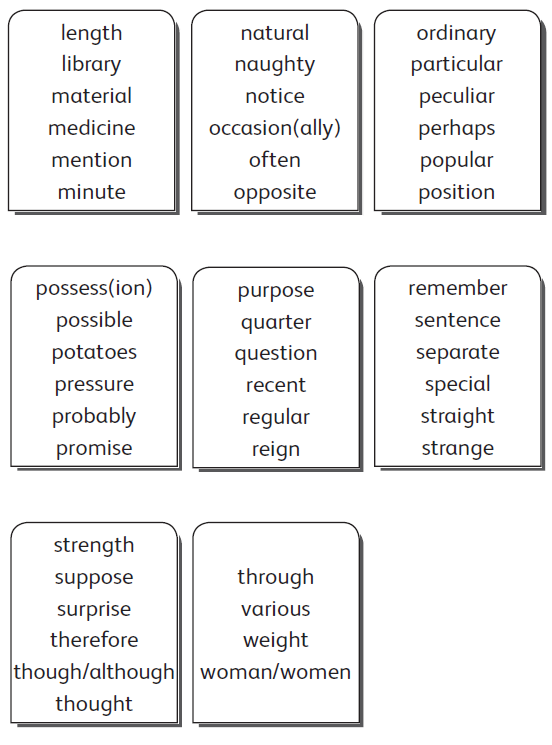
This week, our spelling focus will be on words from the Year 5/6 statutory spelling list. These words are more challenging than those the children learnt in Years 3 and 4 and may not be words they use regularly in their speaking or writing.To help children become familiar with these ambitious words, we will first focus on their pronunciation and meaning before exploring strategies to help remember their spellings. Understanding what the words mean and how they are used will support the children in recognising them when reading and using them correctly in their own writing.
Encourage your child to discuss any unfamiliar words at home and see if they can spot them in books, conversations, or other texts they read throughout the week. This will help build both their vocabulary and spelling confidence. 📚✏️
WB: 28.09.2026
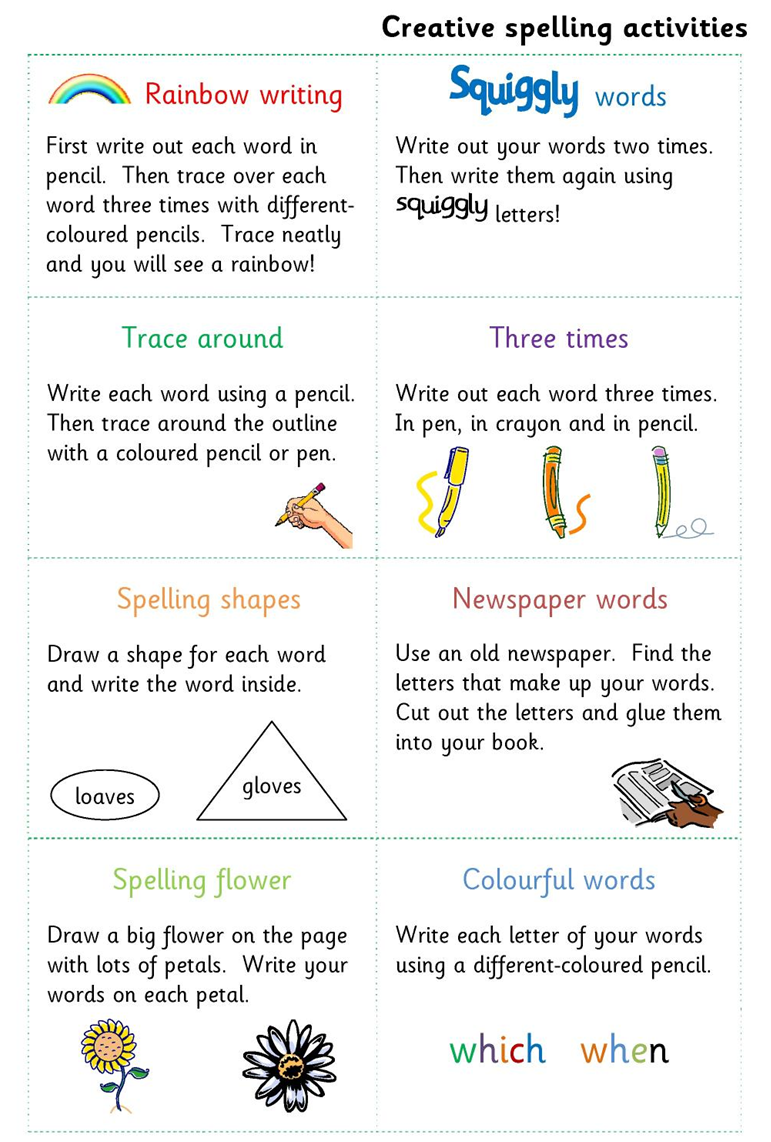
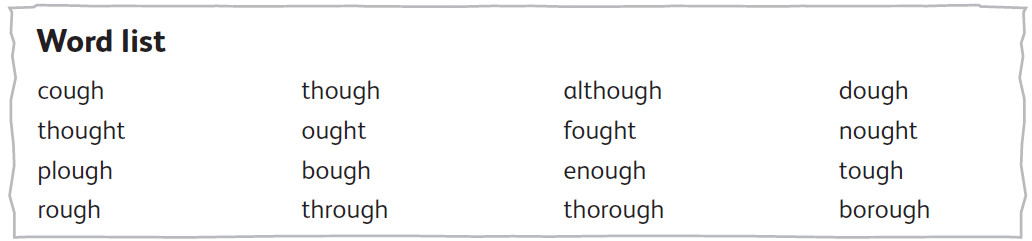
This week, our spelling focus will be on the letter string -ough, which is one of the trickiest spellings in the English language! Although the spelling stays the same, the pronunciation can change depending on the word, making it a challenge for both reading and spelling.
Throughout the week, the children will explore different -ough words, learning how they sound and grouping them according to their pronunciation. This will help them recognise patterns and remember spellings through association.
Some examples we will look at include:
- though
- although
- through
- thought
- rough
- cough
Encourage your child to spot -ough words in their reading at home and discuss how they are pronounced. The more they see and use these words, the more confident they will become in recognising and spelling them correctly. Happy practising! 😊
WB: 21.09.2026
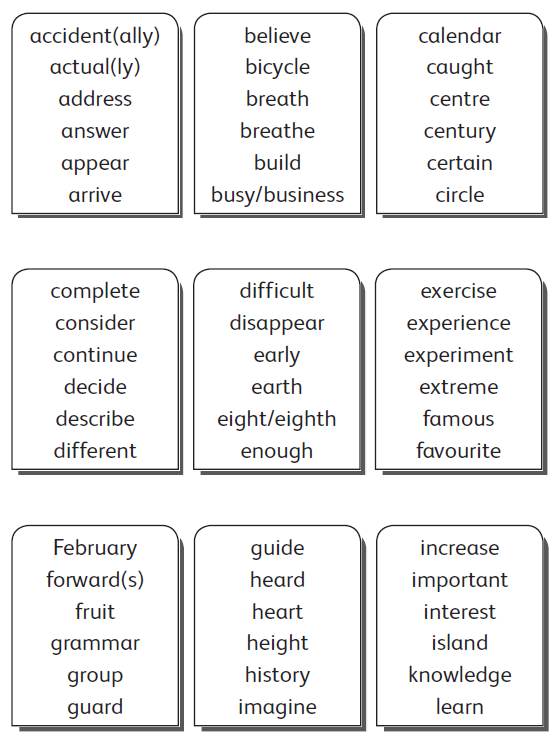
This week, the children will be revisiting words from the Year 3/4 spelling list. Although many of these words are familiar, they contain tricky spelling patterns that can be easy to forget when writing independently. We will continue to practise these words regularly to help children become confident and accurate spellers. Encourage your child to look out for these words in their reading and to use them correctly in their writing.
WB: 14.09.2026
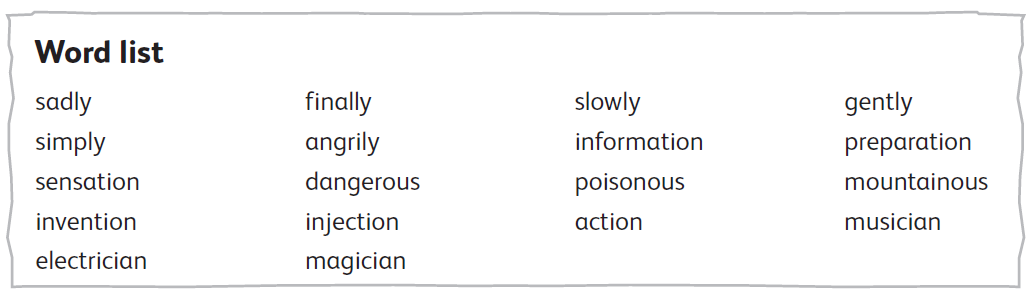
This week we will be revisiting suffixes and exploring how they change the meaning of root words. The children will learn important spelling rules, including changing y to i and knowing when to drop or keep a final e before adding a suffix.
WB: 07.09.2026
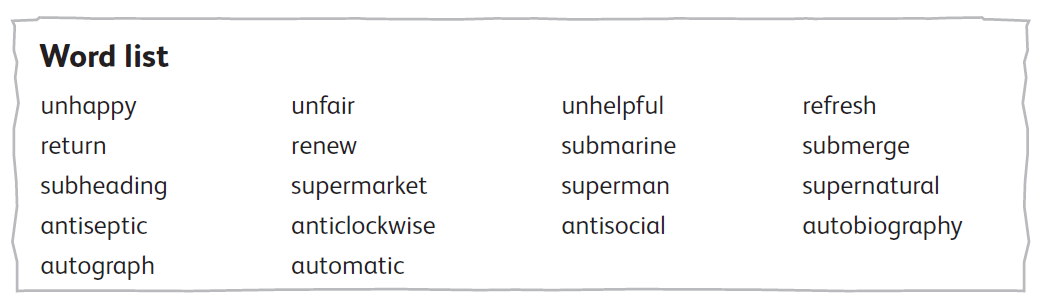
This week, the children are learning about prefixes and how they can be added to the beginning of a root word to change its meaning. They will revisit a range of prefixes introduced in Years 3 and 4, such as un-, dis-, mis-, and re-, and explore how these alter the meaning of familiar words.
The children will learn that, unlike many suffixes, adding a prefix does not usually change the spelling of the root word. For example, happy becomes unhappy and appear becomes disappear.